
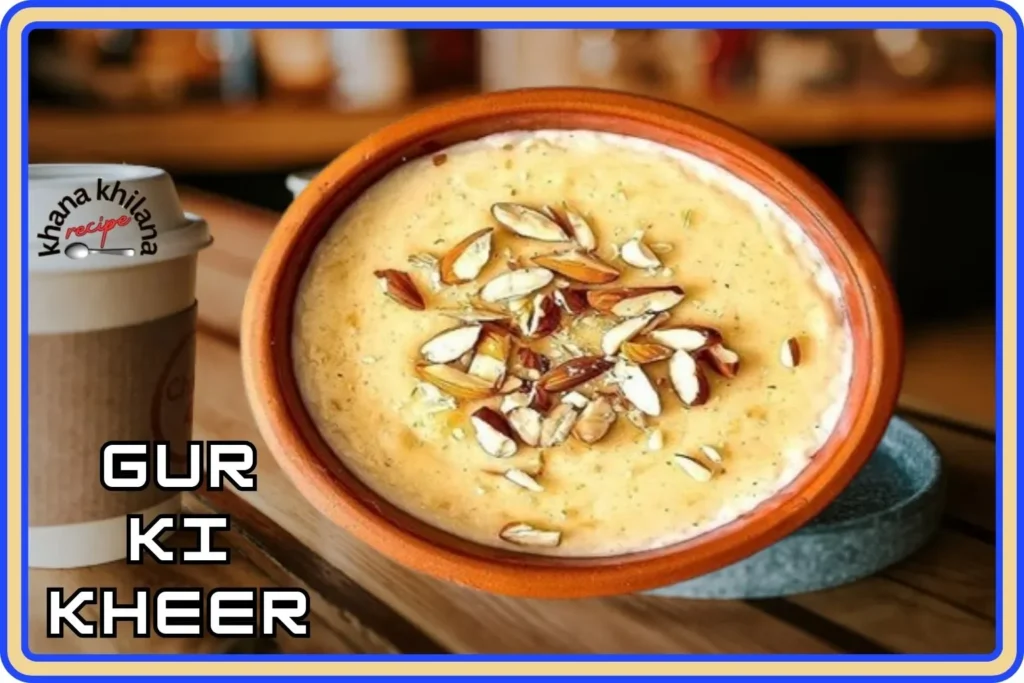
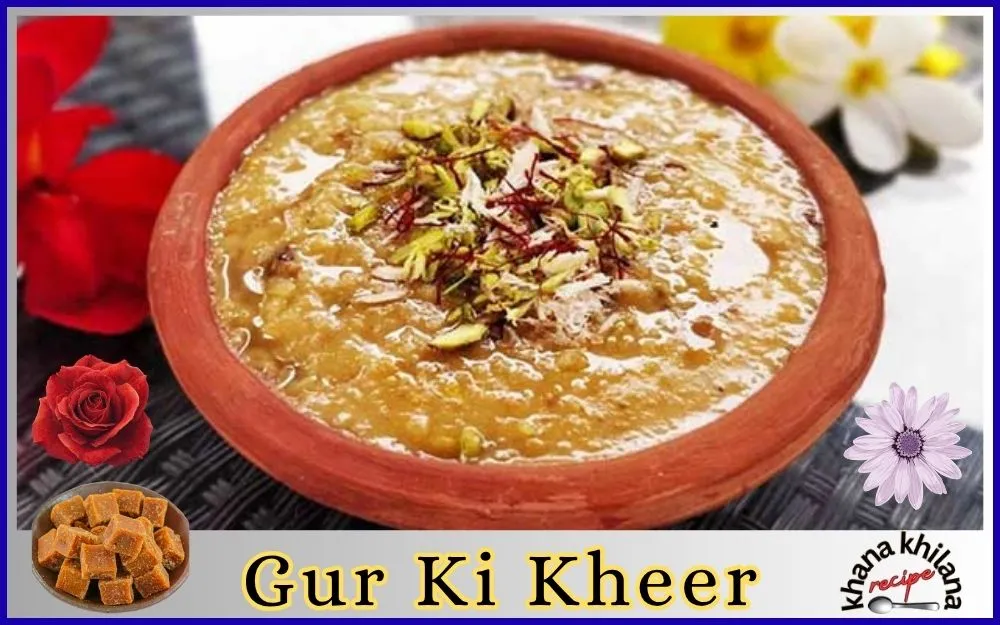
Homemade kheer has an incredibly comforting feeling. When made with jaggery instead of sugar, it becomes Gur Ki Kheer – a nutritious, rustic dessert that beautifully captures the essence of traditional Indian cooking. This creamy rice pudding, naturally sweetened with jaggery, is a winter favorite in many Indian homes. It’s not only delicious, but also has a rich aroma of Indian flavors and a warm nuttiness that makes it perfect for every Indian celebration or cozy occasion.
In this article, we’ll learn how to make jaggery kheer at home, its nutritional benefits, cooking tips, and frequently asked questions that will help you master this recipe.
What is Gur Ki Kheer?
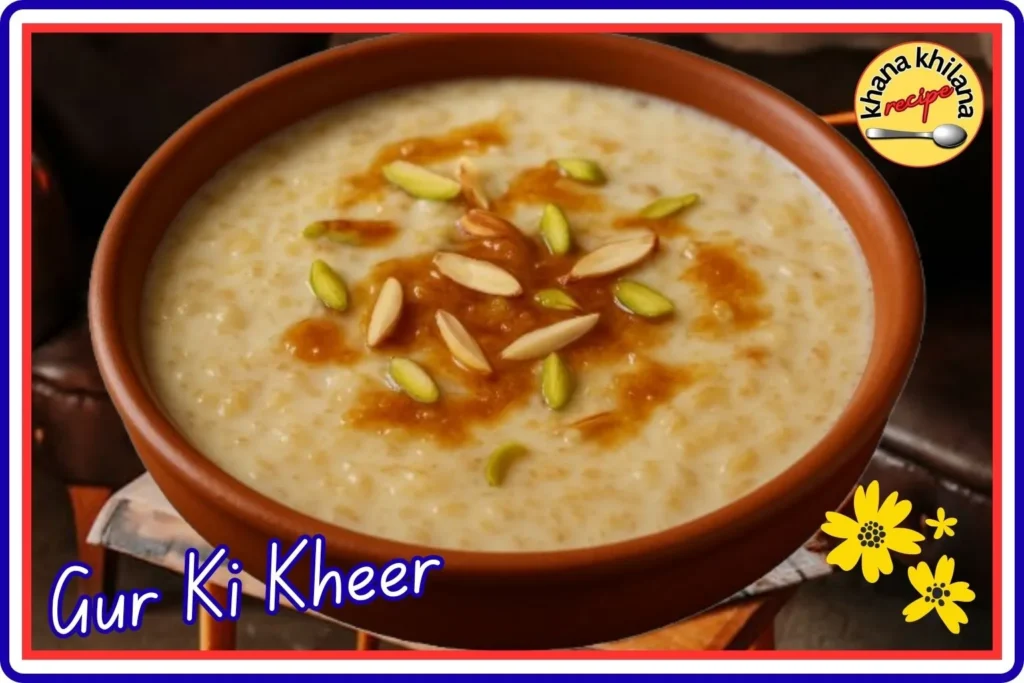
Jaggery Kheer, also known as Gur Ki Kheer, is a traditional Indian dessert made with rice, milk, and jaggery. There are many regional variations of this dish across India—from “Payesh” in West Bengal to “Akkavadisal” in South India—but its essence remains the same: a delicious, thick, creamy pudding cooked over low heat.
Unlike sugar-coated pudding, the unique flavor of jaggery pudding comes from jaggery, an unrefined natural sweetener made from sugarcane or date palm juice. This creates a beautiful caramel-like color and flavor that varies with every spoonful.
Health Benefits of jaggery
1 – Naturally purifies the body
2 – Increases hemoglobin and prevents anemia
3 – Strengthens the immune system with antioxidants and minerals
4 – Aids digestion and prevents constipation
5 – Keeps the body warm during winter
Using jaggery instead of sugar makes this dessert not only delicious but also nutritious.
Ingredients for Gur Ki Kheer
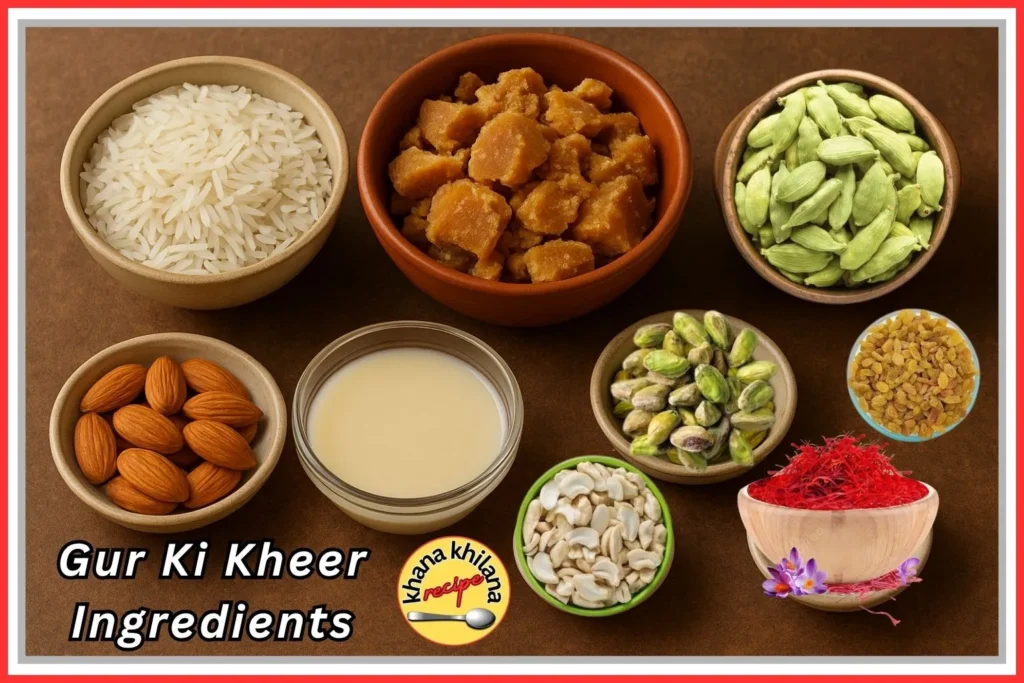
1 – 1 liter full-fat milk
2 – 1/4 cup basmati rice
3 – 1/2 cup grated or powdered jaggery
4 – 2-3 crushed green cardamoms
5 – Chopped nuts (almonds, cashews, pistachios)
6 – 1 tablespoon raisins (optional)
7 – A few strands of saffron (optional)
Optional ingredients: Coconut milk, chopped dates, or grated coconut.
Step-by-Step Recipe: How to Make Gur Ki Kheer
Step 1: Soak the Rice
Wash the rice thoroughly and soak it for 15 minutes. After 15 minutes, break the rice into pieces with clean hands, drain the water and set it aside.
Step 2: Boil the Milk
Bring the milk to a boil in a heavy-bottomed pot. Once it boils, reduce the heat and simmer over low heat.
Step 3: Cook the Rice
Add the soaked rice to the milk and simmer over low heat, stirring occasionally, until the rice is tender and the mixture thickens.
Step 4: Enhance the Flavor
Add cardamom powder and coarsely chopped nuts for extra aroma and consistency.
Step 5: Prepare the Jaggery Syrup
In a small pot, add half the amount of water to the jaggery and melt until it dissolves completely. Do not overheat.
Step 6: Add the jaggery to the kheer
After the milk-rice mixture has cooled slightly, slowly add the melted jaggery syrup, also after it has cooled, stirring constantly to ensure the mixture is well combined.
Step 7: Prepare and Garnish
Garnish with chopped nuts, raisins, and saffron. Serve warm or chilled.
Tips And Notes for Perfect Gur Ki Kheer
1 – Use full-fat milk for a thicker texture
2 – Always add jaggery after turning off the heat
3 – Use fresh jaggery to avoid bitterness
4 – Stir gently after adding jaggery
5 – If you’re vegetarian, use coconut milk
Regional Variations
1 – South Indian Payasam – made with coconut milk and mung dal
2 – Bengali Nolen Gur’er Payesh – using date palm jaggery
3 – Punjabi Jaggery Kheer – made with new-season rice in winter
4 – Maharashtrian Gulacha Sheera – a thicker, semolina-based option
Serving Suggestions
1 – Serve as a dessert after lunch or dinner
2 – Serve with puris or fried snacks during festivals
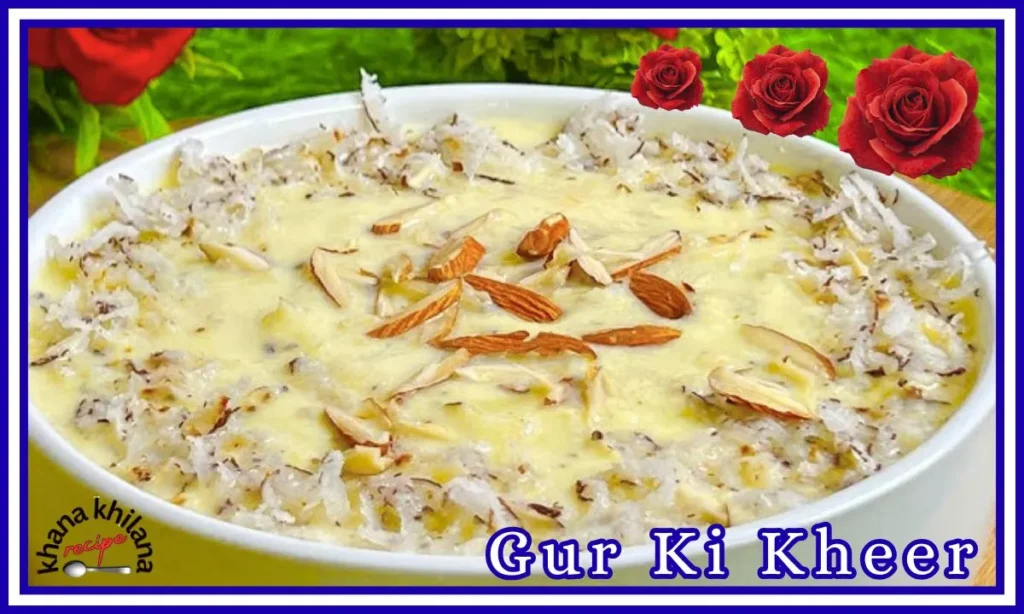
3 – Garnish with edible silver leaves or rose petals for a visually appealing treat
4 – Serve hot in winter or Serve chilled in the summer.
Storage Tips
Store Gur Ki kheer in an airtight container in the refrigerator for up to 3 days. Heat it slightly before serving or add a little warm milk to thicken it.
Why choose jaggery over sugar?
Jaggery contains essential minerals like iron and magnesium and provides our bodies with natural nutrients that sugar doesn’t. It imparts a caramelized color that blends well with milk and rice, making it more nutritious.
Common Mistakes to Avoid
1 – Adding jaggery when the milk is too hot
2 – Using low-fat milk
3 – Not straining the melted jaggery
4 – Overcooking the rice
5 – Using stale jaggery
Frequently Asked Questions (FAQs) about Gur Ki kheer
1. Can I use brown sugar instead of jaggery?
Yes, but it won’t give the rich flavor or traditional aroma of jaggery.
2. Why does milk curdle when jaggery is added?
Since jaggery is acidic, it should only be used iny after the milk has cooled slightly to avoid curdling.
3. Can I use jaggery powder?
Yes, jaggery powder works well. Stir thoroughly for a smooth texture.
4. How to make vegan Gur Ki Kheer?
Replace dairy milk with coconut or almond milk and skip ghee.
5. Is Gur Ki Kheer healthy?
Yes, it’s rich in minerals and iron when consumed in moderation.
6. Which rice is best?
Short-grain aromatic varieties such as basmati or gobindbhog.
7. Can I prepare it in advance?
Yes, prepare a day before and refrigerate. Reheat gently before serving.
You May Also Like
Thekua Recipe: A Crunchy Sweet Treat from Bihar’s Heart
Moong Dal Halwa: Rich & Authentic Indian Dessert for Festivals
Dal Batti Churma Recipe: Taste the heritage of Rajasthan in every soulful bite
In Conclusion
Finally, jaggery kheer, also known as jaggery rice kheer, is a traditional Indian dish that beautifully captures the comforts of home and festive joy. This dessert isn’t just about sweetness—it’s about memories, togetherness, and the age-old charm of Indian cuisine. The deep, caramel flavor of jaggery blends perfectly with the creamy milk and soft rice, creating a soothing richness that no refined sugar can match. Every spoonful speaks of warmth, love, and a cultural heritage passed down through generations.
Whether made for its nutritional properties in winter, prepared as prasad during festivals, or eaten as a comforting dessert after a hearty meal, jaggery kheer always brings people together. Its rustic aroma of cardamom, subtle hints of ghee, and golden hue make it a delight not only for the taste buds but also for the heart. So the next time you crave a traditional dessert packed with nutrition, prepare a bowl of jaggery kheer – a dessert that celebrates simplicity, health and the eternal beauty of Indian flavours.

नमस्ते, मैं राजीव शर्मा हूँ। हम आपको Khana Khilana Recipe ब्लॉग पर आसान, झटपट और स्वादिष्ट रेसिपी सिखाते हैं। यहाँ आपको घर पर बनने वाली रोजमर्रा की रेसिपीज़, खास मौके की डिशेज़ और किचन टिप्स मिलती हैं, ताकि आपका कुकिंग अनुभव और भी आसान और मज़ेदार हो सके।