
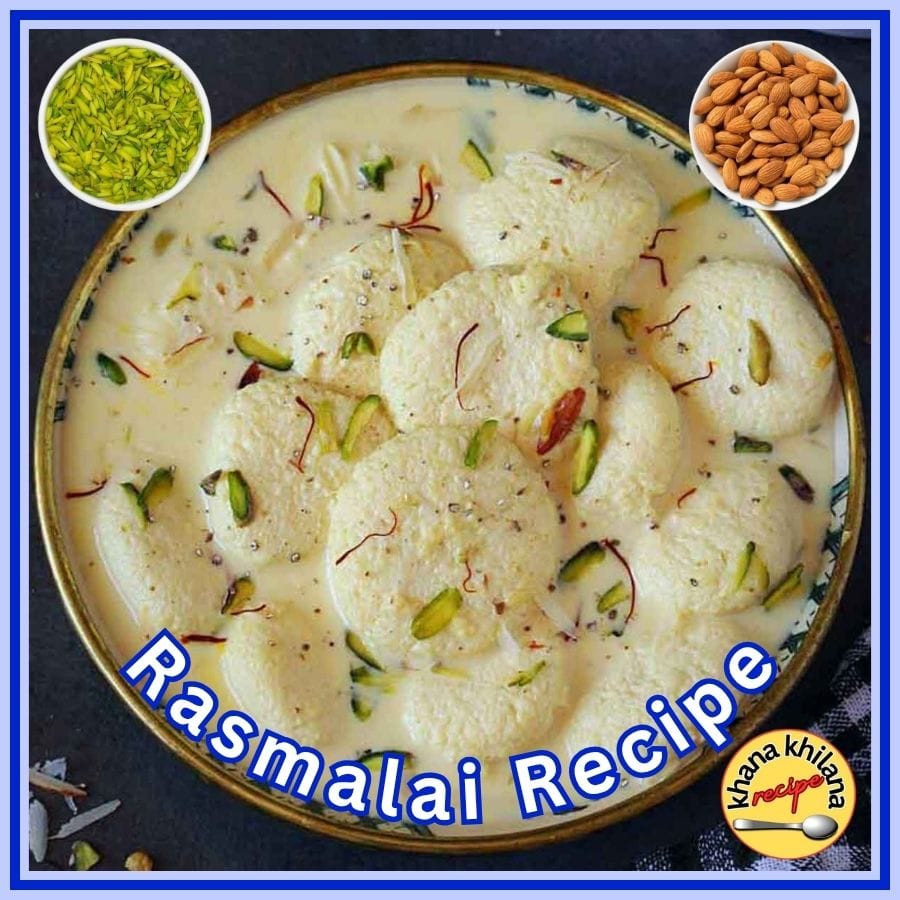
Rasmalai Recipe
Enjoy the rich flavors of India with a traditional dessert that’s both creamy and delicious. Spongy Rasmalai Recipe. a favorite, is now easy to make at home and within your reach.
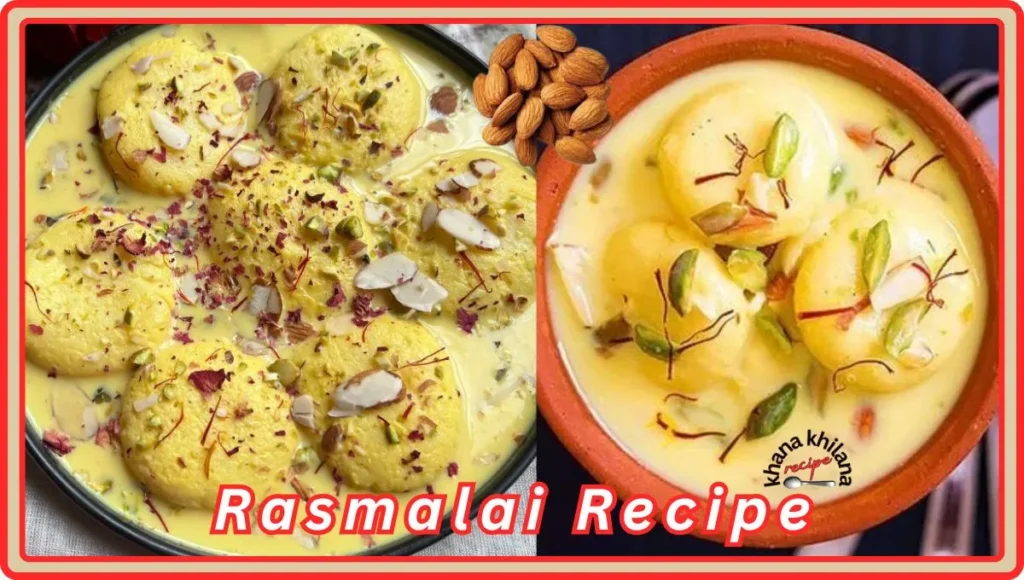
With this easy recipe, you can experience the authentic taste of traditional Indian milk sweets. Rasmalai is a popular Indian sweet that has a balanced blend of the flavor of milk and the sweetness of sugar, making it a delicious and juicy treat for any auspicious occasion.
With our easy step-by-step recipe, you’ll be able to make an easy sweet that everyone in your family and friends will surely love.
Key Takeaways
- Learn to make authentic Rasmalai at home.
- Understand the significance of traditional Rasmalai in Indian cuisine.
- Impress your loved ones with this deliciously creamy, sweet treat.
- Impress your loved ones with this deliciously creamy, sweet treat.
- Enjoy the rich flavor of delicious Indian milk sweets.
What is Rasmalai Recipe? A Delicious Introduction to This Indian Dessert
Indian Rasmalai Mithai, a quintessentially delicious dessert, has been an integral part of Indian sweet cuisine since time immemorial, attracting everyone with its creamy texture and sweet taste. This sweet is made of soft, creamy chhena (milk curd) dumplings soaked in thick, sweet rabri (milk syrup) flavoured with cardamom, saffron and other nuts.
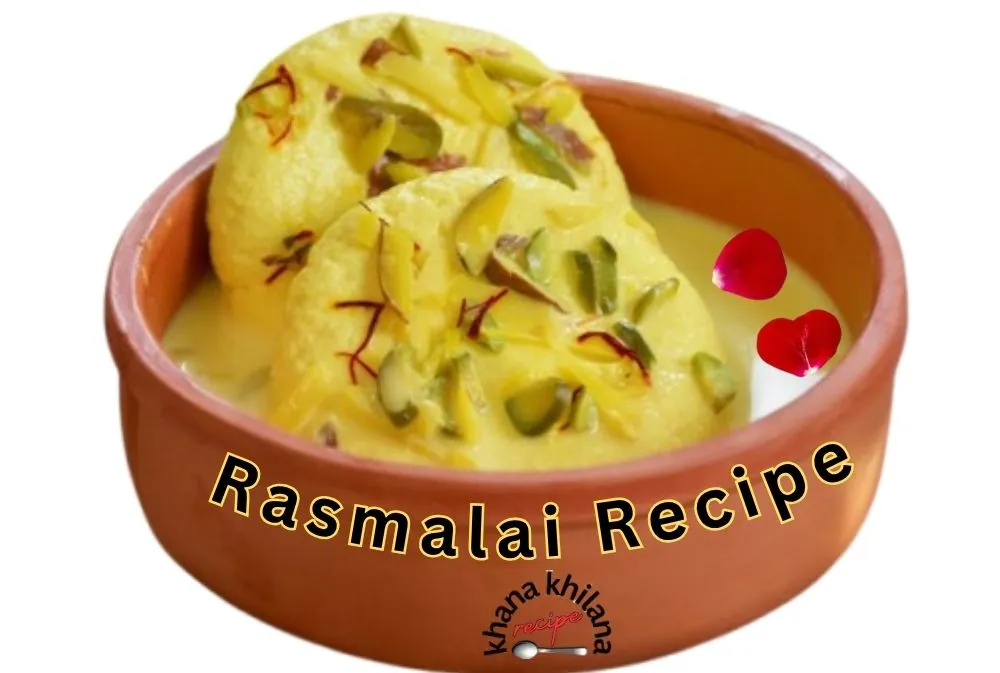
The experience of enjoying Rasmalai isn’t just about taste; it’s deeply ingrained in the fabric of Indian culture. Let’s explore its cultural significance and traditional methods.
The Cultural Significance of Rasmalai Recipein Indian Cuisine
Rasmalai holds a special place in Indian cuisine, symbolizing the warmth and hospitality of Indians. It is often served on special mornings and special occasions, such as weddings and festivals, where it is appreciated for its rich flavor and the joy it brings to those who taste it. Making Rasmalai is considered a delicate art, passed down from generation to generation, making it an important part of India’s culinary heritage.
When and How Rasmalai is Traditionally Served
Traditionally, rasmalai is served chilled, making it a refreshing dessert, especially during the summer or festive season. It’s often garnished with nuts like cashews, almonds, saffron, and pistachios, which enhance its flavor and appearance. In many Indian homes, rasmalai is a dessert that brings families together around the dinner table, creating memories associated with making and eating it.
Essential Ingredients for the Perfect Rasmalai Recipe
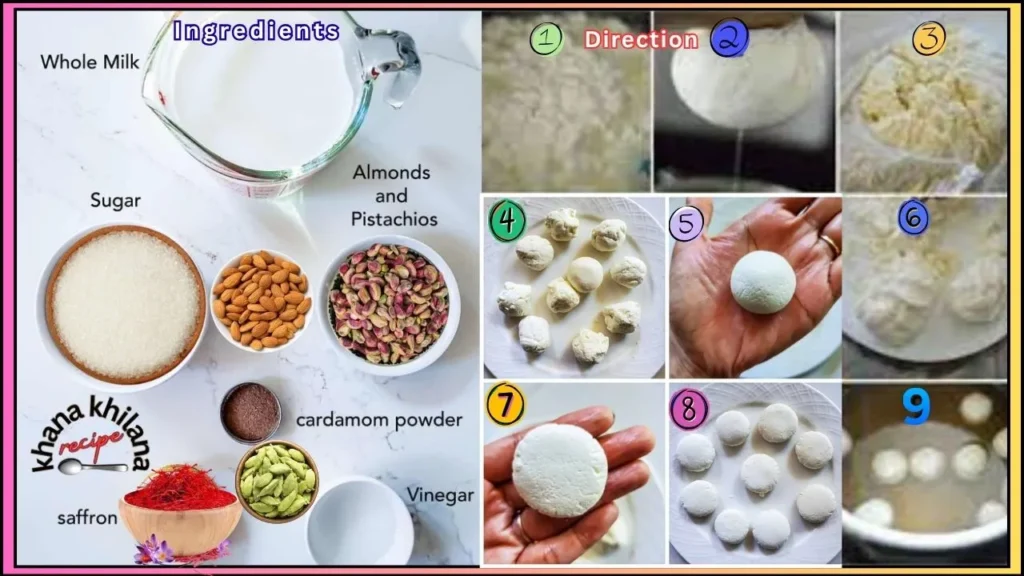
Gathering the right ingredients is the first step towards making a mouth-watering Rasmalai. To create this delightful Indian dessert, you’ll need to prepare two main components: the milk dumplings (Chenna) and the sweet milk syrup (Rabri).
For the Milk Dumplings (Chenna)
The milk dumplings are a crucial part of Rasmalai. To make Chenna, you will need:
- Full-fat milk 1 litre: This is the base ingredient for Chenna. Using full-fat milk ensures that your dumplings are soft and creamy.
- Lemon juice or vinegar 2 tbsp: These are used to curdle the milk, creating the Chenna.
- Cold water 4 cups: To stop the curdling process and to wash the Chenna.
It’s essential to use high-quality milk for the best results. The curdling agent, whether lemon juice or vinegar, should be added carefully to achieve the right consistency.
For the Sweet Milk Syrup (Rabri)
Rabri is the sweet, creamy syrup that complements the milk dumplings perfectly. For Rabri, you’ll need:
- Full-fat milk 1 litre: Again, full-fat milk is used, this time to create a rich and creamy syrup.
- Sugar 2 tbsp (as par taste): To sweeten the Rabri.
- Saffron threads 12-15: For that distinct flavor and color.
- Cardamom powder half tesp: Adds a warm, aromatic flavor.
- Chopped almonds and cashews 2 tbsp: For added texture and flavor.
Reducing the milk to create Rabri is a time-consuming process, but it’s crucial for achieving the right consistency and flavor.
Possible Substitutions and Store-Bought Alternatives
Although traditional ingredients are recommended for authentic flavor, you can still make some changes if desired. For example, you can use store-bought chenna or rabri, although homemade chenna made from milk is always preferable for the best taste.
Step-by-Step Rasmalai Recipe: Making the Milk Dumplings
To make delicious rasmalai, you first need to prepare chenna from milk, which is the base of the dumplings. This process involves boiling the milk, adding vinegar, and then curdling it to form chenna.
Preparing the Chenna (Milk Curd)
In a large pot, bring full-fat milk to a boil. Once it begins to boil, reduce the heat and add a curdling agent, such as lemon juice or vinegar. Stir gently until the milk curdles and the milk and chenna separate. Line a sieve with cheesecloth or clean cotton cloth and carefully pour the curdled milk into it. Allow the water to drain completely, leaving behind the soft, white chenna.
Kneading and Shaping the Dumplings
Once the Chenna is ready, knead it gently on a clean surface until it becomes smooth and soft. You can use your hands or a spatula for this. The goal is to make the Chenna pliable enough to shape into small, round dumplings. Divide the Chenna into equal portions and shape each into a smooth ball. Ensure the dumplings are not too tight, as they need to absorb the sweet milk syrup later.
Cooking the Dumplings Perfectly
Bring the sugar and water to a boil in a large pot, then gently add the shaped dumplings. Be careful not to overcrowd the pot. Cook the dumplings over medium heat, covered, for about 15-20 minutes, or until they double in size. The syrup should thicken slightly by the end of this process. Let the dumplings cool in the syrup before proceeding to the next step of making the rasmalai.
| Step | Description | Time |
|---|---|---|
| Curdling Milk | Boil milk, add curdling agent, and let it curdle. | 5-7 minutes |
| Kneading Chenna | Knead the drained curd until smooth. | 5 minutes |
| Cooking Dumplings | Cook dumplings in sugar syrup. | 15-20 minutes |
Creating the Perfect Rabri: The Sweet Milk Syrup
Making perfect milk rabri is an art that requires patience, skill, and attention to detail. You’ll learn how to reduce and enhance the milk’s flavor as it boils, how to add saffron, cardamom, and other flavorings, and finally, how to dip the dumplings in the syrup.
Reducing and Flavoring the Milk
First, you’ll need to reduce the amount of milk to create a thick and creamy syrup. Start by boiling full-fat milk in a large, heavy-bottomed saucepan. Stir constantly to prevent the milk from sticking to the bottom. As the milk simmers, it will begin to thicken and become creamy.
Some tips for reducing milk effectively:
- Use full-fat milk for a creamier texture.
- Stir continuously while boiling to prevent burning.
- Be patient, as this process can take up to 30 to 40 minutes.
Adding Saffron, Cardamom, and Other Flavorings
Once the milk has reduced to a thick consistency, it’s time to add flavorings. Soak a few strands of saffron in a tablespoon of hot milk and, after 10 minutes, add them to the rabri. Add green cardamom powder to give it a unique aroma. You can also add a few drops of rose water or kewra essence for fragrance.
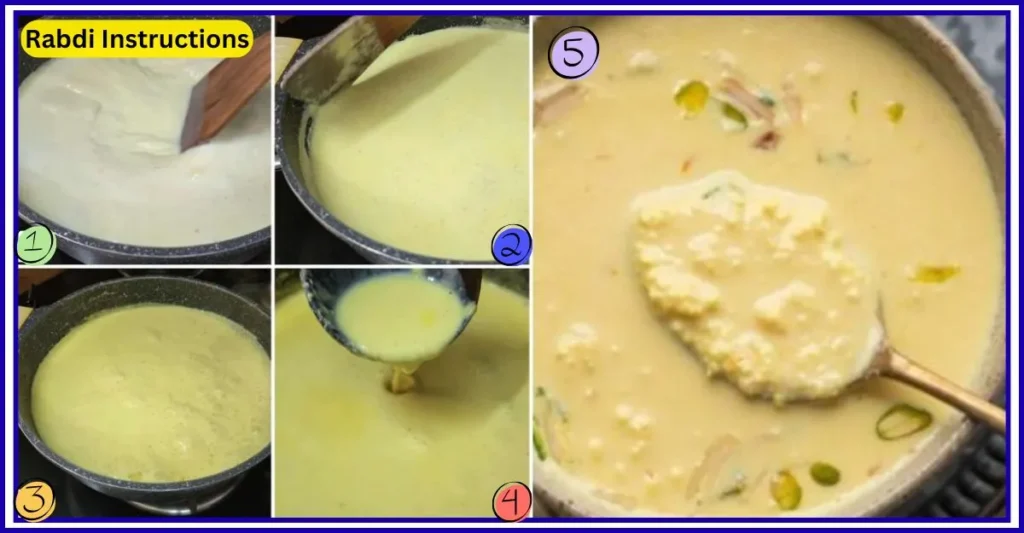
Combining the Dumplings with the Syrup
After preparing the rabdi, gently dip the cooked dumplings into the milk syrup (rabri). Let them soak for 30 minutes to absorb the flavor. The longer they soak, the more flavorful they will become.
To serve, you can garnish them with finely chopped nuts. This will enhance the texture and appearance of your rasmalai.
Tips and Tricks for Rasmalai Success
To ensure your Rasmalai turns out perfectly, follow these valuable tips and tricks. Making this delicious Indian dessert can be a bit tricky, but with the right guidance, you’ll be enjoying it in no time.
Troubleshooting Common Problems
Even with a great recipe, things can go wrong. If your Rasmalai doesn’t turn out as expected, don’t worry. Common issues like dumplings not cooking properly or the syrup being too thin can be easily fixed. Check out our troubleshooting tips to resolve these problems.
Common Issues and Solutions:
| Issue | Solution |
|---|---|
| Dumplings not cooking properly | Check the water temperature and ensure the dumplings are not stuck together. |
| Syrup too thin | Reduce the syrup by cooking it for a longer time or add a thickening agent. |
Make-Ahead and Storage Options
The best part about rasmalai is that it can be made in advance. You can prepare the dumplings and syrup a day or two in advance and mix them together just before serving. Keep them refrigerated to keep them fresh.
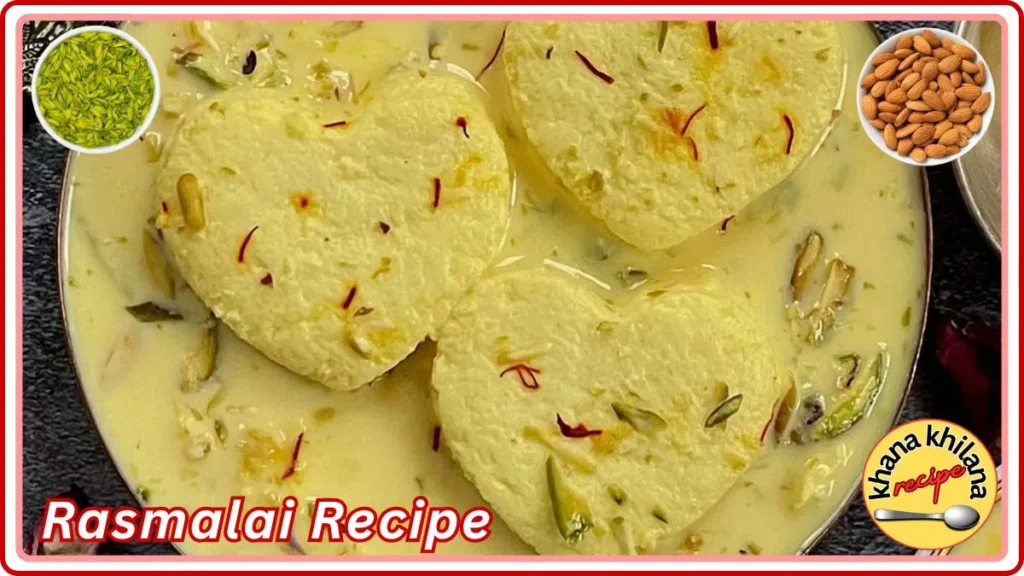
Serving Suggestions and Beautiful Garnishes
Presentation is crucial when serving Rasmalai. Garnishing it with finely chopped nuts, saffron strands, and dried rose petals can make it even more beautiful and delicious. Serve it chilled, straight from the refrigerator, for a refreshing sweet experience.
Some popular serving suggestions include:
- Sprinkle cardamom powder and serve well chilled Rasmalai
- Garnished with finely chopped pistachios, almonds and saffron
- Serve with freshly cut fruits or fruit salad
Conclusion: Enjoying Your Homemade Rasmalai
Now that you’ve made rasmalai at home, it’s time to enjoy this sweet, delicious, and creamy dessert. The taste of this traditional Indian dessert will truly delight your taste buds, and sharing it with family and friends will surely bring joy to those around you.
As soon as you take your first bite, the soft, spongy chenna absorbs the delicious rabri, leaving behind a hint of sweetness and cardamom. The experience of enjoying rasmalai isn’t just about the taste; it’s about the memories you make while sharing it with loved ones.
Your homemade rasmalai is the perfect dessert for special occasions or as a sweet treat any time of year. Store it properly and enjoy it for days to come. With this easy rasmalai recipe, you can recreate the magic of this beloved Indian dessert from the comfort of your own home.
As you enjoy your homemade Rasmalai, remember the joy of making it something special. The love and care you put into making this sweet will surely be appreciated by those who eat it.
FAQ
What is Rasmalai, and how is it different from other Indian desserts?
Rasmalai is a popular Indian dessert consisting of milk dumplings (chhena) soaked in sweet milk syrup (rabri). It stands out from other desserts due to its creamy texture and flavorful blend of cardamom, saffron, and other nuts.
Can I use store-bought Chenna or Rabri for making Rasmalai?
Yes, if you’re short on time or having trouble finding the right ingredients, you can use store-bought chenna or rabri. However, making them yourself at home will result in a more pure and delicious taste and texture.
How do I prevent the milk dumplings from breaking while cooking?
To prevent the dumplings from breaking, knead the chenna well with clean hands, shape the dumplings into slightly round shapes, and cook them over low heat. Don’t overcook and stir the water gently.
Can Rasmalai be made ahead of time, and how should it be stored?
Yes, Rasmalai can be made a day in advance. Refrigerate it to allow all the flavors to blend. You can keep it in the refrigerator for up to 2 days.
What are some common problems encountered while making Rasmalai, and how can they be resolved?
Common issues include the dumplings breaking, the Rabri being too thin, or the dessert not being flavorful enough. To resolve these, ensure you’re using the right ratio of ingredients, cooking the dumplings correctly, and reducing the milk to achieve the desired consistency.
Can I customize the flavorings in Rasmalai to my liking?
Of course, you can adjust the amount of cardamom, saffron, or other nuts to your liking. Feel free to experiment with different combinations to create your own unique version of rasmalai.
Is Rasmalai a difficult dessert to make for a beginner?
Making Rasmalai takes a little effort, but it’s perfectly possible for even a beginner. By following our recipe and tips carefully, you’ll become a master, and with a little practice, you’ll become even more comfortable with this delicious and succulent dessert.
You May Also Like
Til Ke Ladoo Recipe: Delicious and powerful for winters
Zarda Pulao Recipe: An age-old recipe that transforms ordinary rice into a royal treat
Kalmi Vada Recipe: Unique crunch and authentic street-style flavor
Sabudana Kheer Recipe

नमस्ते, मैं राजीव शर्मा हूँ। हम आपको Khana Khilana Recipe ब्लॉग पर आसान, झटपट और स्वादिष्ट रेसिपी सिखाते हैं। यहाँ आपको घर पर बनने वाली रोजमर्रा की रेसिपीज़, खास मौके की डिशेज़ और किचन टिप्स मिलती हैं, ताकि आपका कुकिंग अनुभव और भी आसान और मज़ेदार हो सके।